Bleeding gums: common causes and when to seek care
· Sarab Koyar Salehi, Licensed dental hygienist · 1 min read
Many people see a little blood in the sink when they brush. It is usually a sign that the gums are inflamed, and there is often something you can do about it.
Common causes
| Cause | What you can do |
|---|---|
| Plaque along the gum line | Brush carefully and clean between your teeth every day |
| Tartar | Have a dental hygienist remove it |
| A hard toothbrush or too much pressure | Use a soft brush and light pressure |
| Hormonal changes, for example pregnancy | Extra careful cleaning and a check-up |
| Some medications, for example blood thinners | Mention them and talk to your doctor |
How to brush gently
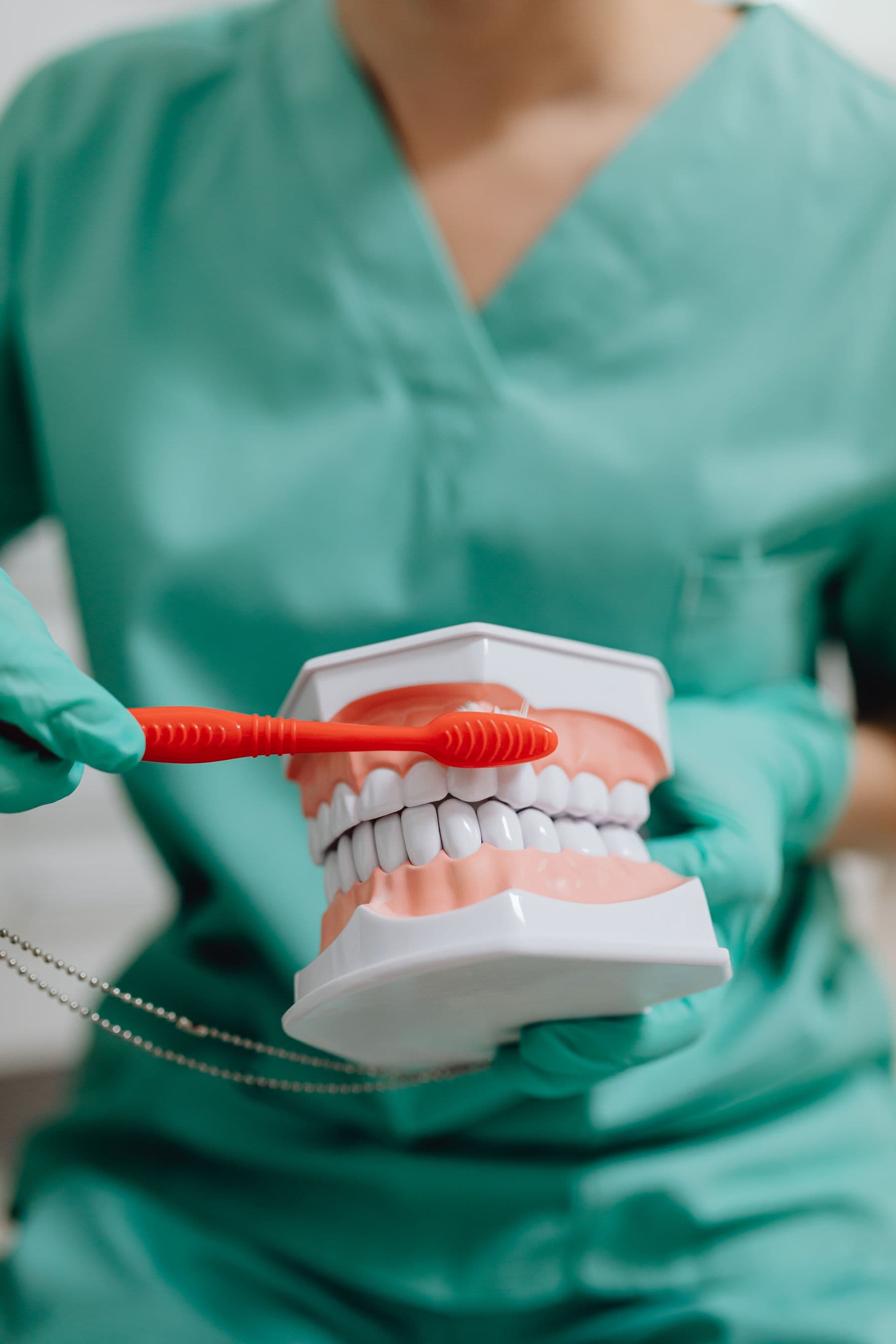
- Use a soft toothbrush and small, gentle movements. See how to brush properly.
- Clean between your teeth every day. See interdental cleaning.
When to seek care
Seek care if the bleeding is heavy, if it does not improve after a couple of weeks, or if you also feel unusually tired or bruise easily. If you want me to look at your gums, you can book a visit.
Frequently asked questions
Should I stop brushing if my gums bleed?
No. Keep going, but gently. Careful cleaning usually reduces the bleeding.
Is bleeding gums dangerous?
Usually not, but it is a sign that something needs attention. Lasting bleeding should be checked.
This text is general information and does not replace an individual assessment. Book a visit if you have symptoms or questions.
Questions about your oral health?